


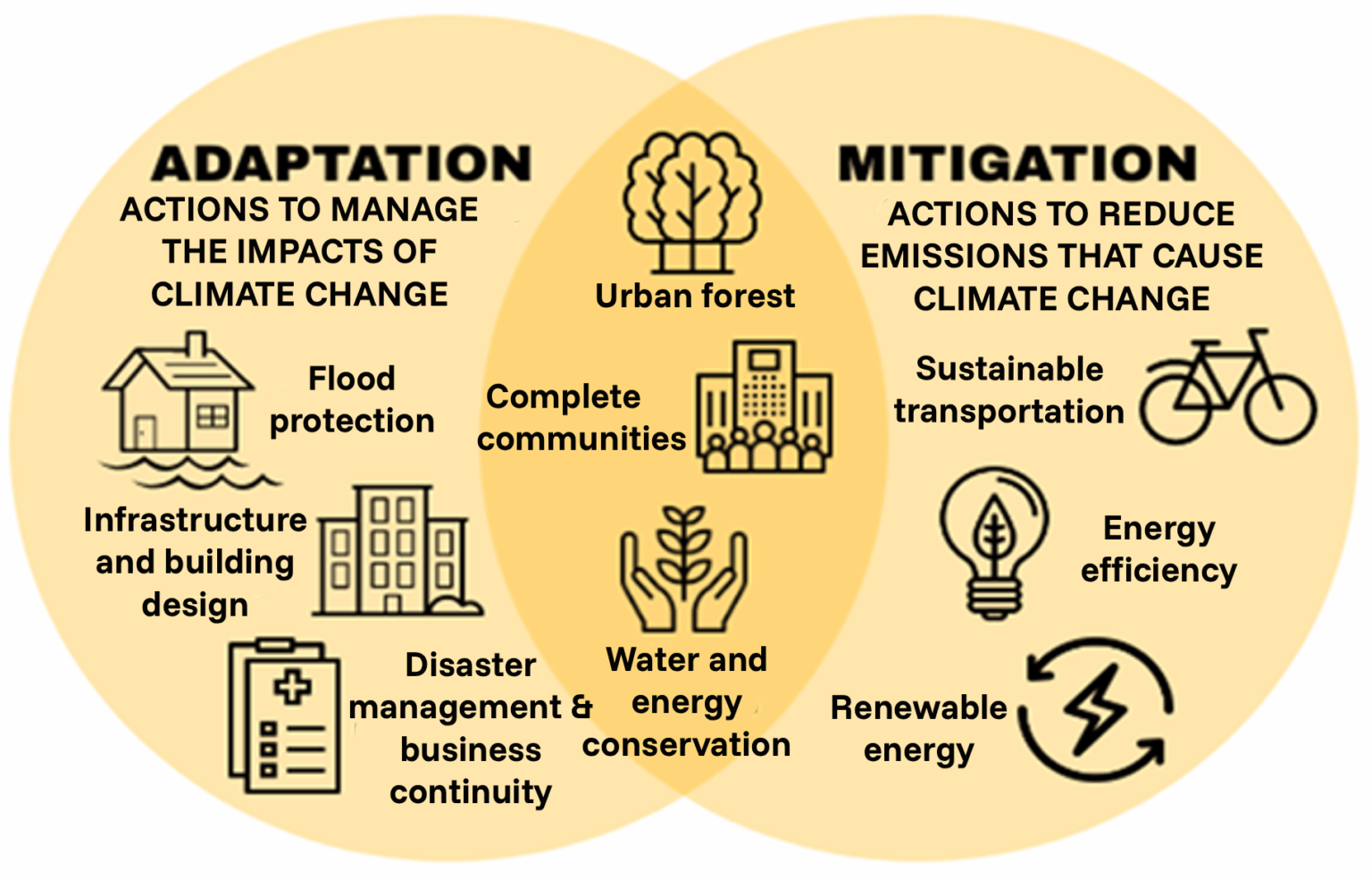
To mark Earth Day, I thought I’d take a look at what our municipality and county are doing about climate change in this area.
The story will be relatively brief because there is not a lot to say, certainly not about what Trent Hills is doing.
The municipality’s basic policy is that it won’t spend any money specifically on climate change or sustainability issues, but it will look for ways to get money from other levels of government or to piggyback on what the county is doing.
Northumberland County does have a climate action strategy section on its website and it has released two major reports on what it is doing. Last year it released a 53-page Corporate Greenhouse Gas Emissions Reduction Plan. As the title says that report looks at what the county is doing and plans to do to reduce emissions that make climate change worse.
Recently it released a report looking at steps it is taking to help us adapt to the changes we face already and their worsening impacts. That 110-page report is its Climate Adaptation and Resiliency Plan 2026.
Trent Hills doesn’t have anything comparable. In its Strategic Plan 2023-2027 the municipality says, “We are committed to a sustainable future and improving the social, economic, and environmental well-being of Trent Hills.”
Sustainability is one of the six values that underlies the plan and sustainable infrastructure is one of five priorities. But as I noted, there is no commitment to put any money behind sustainability issues.
Not everyone is happy with the lack of action. Campbellford resident Brenda Kotras has been pushing council to establish an environment committee that would allow residents to advise councillors and push for improvements. Last summer she was told the topic will be considered once the new council is in place in January.
The municipality’s 2024 asset management plan pointed out that climate change could cause problems for us due to “intense rainfall, increased temperatures, extreme weather, and drought.”
Well, we’ve had all those so far and we know they are all likely to just keep getting worse as temperatures rise.
Northumberland’s climate adaptation report has 18 recommended actions including planting more trees, ensuring there are emergency centres for warming and cooling, improved public access to water, increased emergency planning and drills, update floodplain maps and improve stormwater handling.
While they might not want to admit that these purchases were due to climate change, Trent Hills has actually approved generators so that the Sunny Life Recreation & Wellness Centre and the Hastings Field House can be kept operating during power outages. The ice storm a year ago drove home the need to have safe public spaces when emergencies hit.
The county’s plan to reduce emissions says that in 2023, “Waste in our landfills accounted for 82 per cent of total emissions; county-owned fleet and employee commuting accounted for 13 per cent of emissions; and the county’s buildings and facilities accounted for 5 per cent.”
It plans to reduce those emissions by 65 per cent by 2030 and begin on the goal to reach net-zero emissions by 2050. The county promises annual updates on how it is progressing toward those goals and says, “An update to the plan will take place in 2029 to assess progress toward our 2030 target and outline a renewed pathway to reach our 2050 target.”
Emissions are high in waste management because organic waste gets put into landfills and creates methane gas as it decomposes. The county is focused on getting more people to use green bins so that waste can be redirected to composting.
The county says it will consider electric vehicles for its light-duty needs. I think EVs are looking a lot more attractive these days.
You can read all Trent Hills News stories on my website here.
I too was surprised by how big a factor organic waste is. Our green bin is the fullest of all our bins every week and I have two composters on the go in our backyard that I use in the summer.
Two other thoughts -
Each of the last 4 places I have lived was a house with modest garden, so no trouble finding a place for a composter, and in due course using the compost. Not an option for apartment dwellers, I can see recycling food scraps would be more of a challenge...
Back at the landfill, what about the "landscaping" component of the waste stream? I return grass clippings to the lawn so that breaks down and returns to the soil. But I join with most everyone else in putting out numerous bags of leaves in the fall... Leaves fall in the forest too, so surely not an issue?